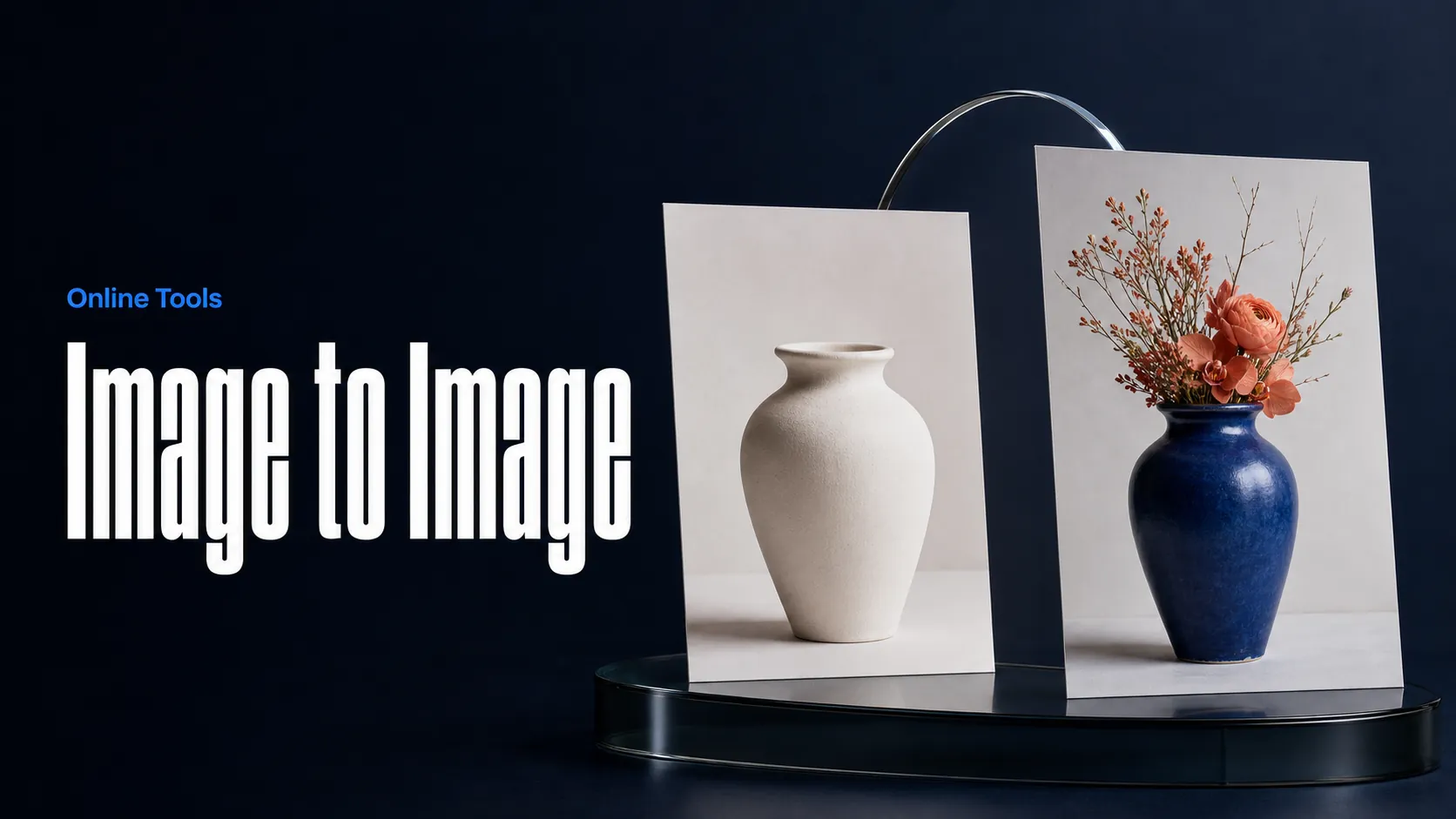

Text to Image
Create AI images from text prompts
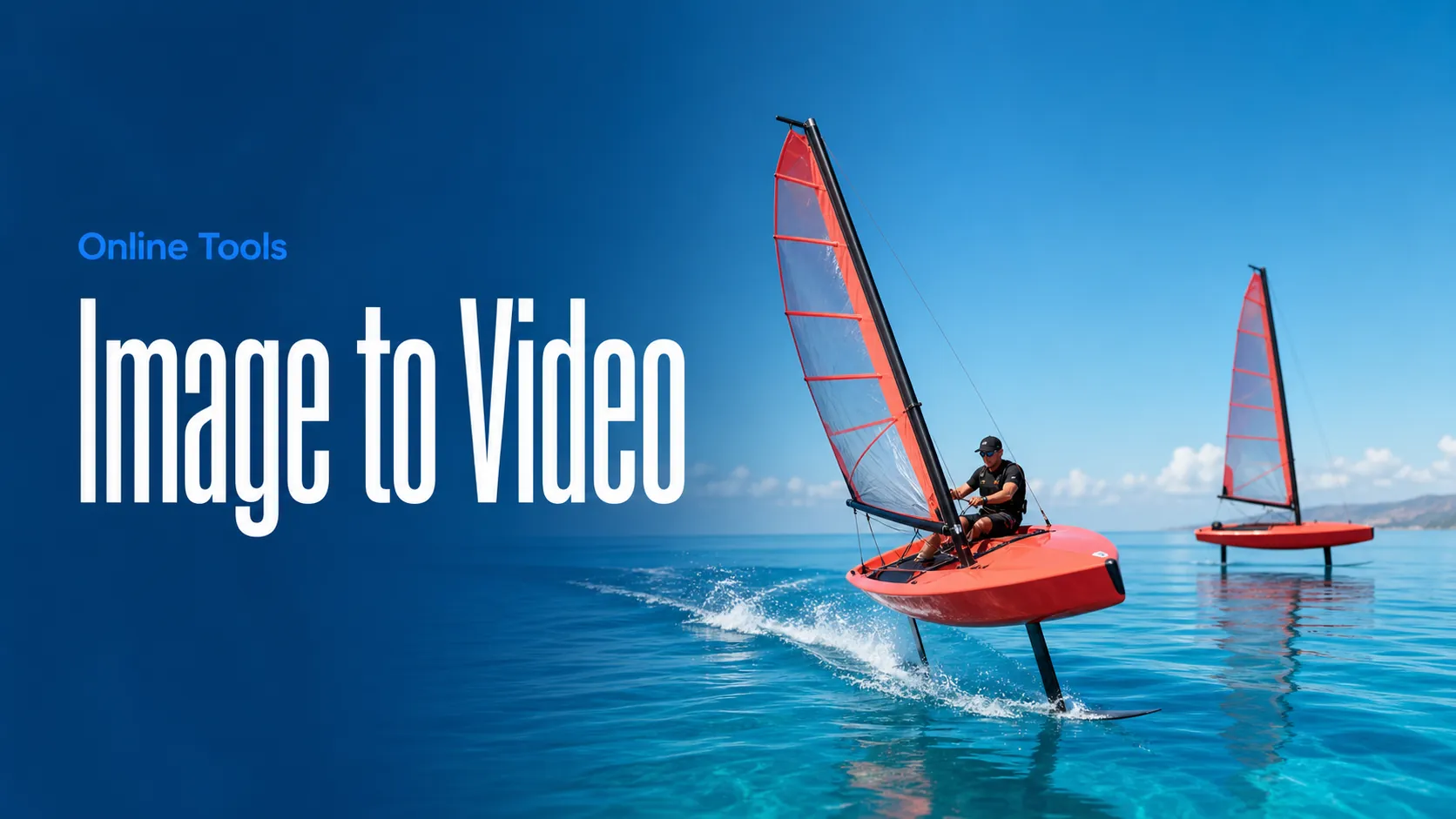
Try MiniMax H3 Image-to-Video API with required first-frame input, optional end-frame control, 2K or 768p output, and flexible 5–15 second videos.
// Step 1: Submit generation request
const response = await fetch('https://api.flaq.ai/api/v1/video/task', {
  method: 'POST',
  headers: {
    'Content-Type': 'application/json',
    'Authorization': 'Bearer YOUR_API_KEY'
  },
  body: JSON.stringify({
    model_name: 'minimax-h3-image-to-video',
    prompt: 'Camera slowly pulls back to reveal the full landscape',
    resolution: '2k',
    duration: 8,
    image_url: 'https://example.com/first-frame.jpg',
    image_end_url: 'https://example.com/last-frame.jpg'
  })
});

const { data } = await response.();
 taskId = data.;
MiniMax H3 Image-to-Video API animates a starting image into a directed video sequence for creative development, product storytelling, and content production. The image-led workflow gives applications a visual foundation while prompts define movement, camera behavior, timing, and scene evolution through a task-based API on Best Image AI.
Explore several AI creation tools for quick image and video workflows in your browser, then scale successful ideas with Best Image AI's production-ready model APIs. Best Image AI provides a unified API layer for all models, making it easy to use and scale your workflows.
Start-Frame Animation: Use a required starting image as the visual foundation for a new moving-image sequence.
Optional End-Frame Direction: Add an ending image when the workflow needs a more controlled transition between two visual states.
Prompt-Guided Motion: Describe subject movement, camera behavior, timing, and atmosphere in natural language.
Composition Preservation: Keep the important subject, style, and spatial relationships from the source image while introducing motion.
Flexible Output Controls: Select the available duration, resolution, and aspect-ratio options for social, product, and cinematic delivery.
Task-Based API Integration: Create generation tasks, monitor progress, and retrieve finished video assets from an application workflow.
Input: A required starting image plus an optional ending image and a natural-language motion prompt.
Motion Direction: Explain the desired subject action, camera movement, scene evolution, and visual tone.
Output: Animated video clips returned through the Best Image AI task workflow for review and downstream use.
Task Handling: Store the task identifier, poll for completion, and validate the generated clip before delivery.
Production Controls: Choose the available duration and resolution settings that fit the intended publishing workflow.
Product Image Animation: Turn product stills into short promotional sequences with controlled camera movement and presentation.
Character and Concept Motion: Animate concept art, keyframes, and character poses for creative exploration and previsualization.
Social Content Production: Create motion variants from existing campaign visuals for short-form publishing channels.
Storyboard Development: Convert selected storyboard frames into moving references for pacing and shot review.
Creative Application Features: Add image animation to design tools, media platforms, and automated content workflows.
Note Use a clear starting image and describe the intended motion precisely. Review identity preservation, transitions, and visual artifacts before using the clip in production.
MiniMax H3 vs. Kling 3.0 Image-to-Video: Kling offers strong character and motion generation. MiniMax H3 provides a direct image-led task workflow for applications that need controlled animation from an existing visual.
MiniMax H3 vs. Wan 2.7 Image-to-Video: Wan 2.7 is a flexible image animation option across creative workflows. MiniMax H3 emphasizes a simple start-frame and prompt combination for rapid application integration.
MiniMax H3 vs. Veo 3.1 Fast Image-to-Video: Veo 3.1 Fast focuses on rapid image animation in Google's ecosystem. MiniMax H3 offers an alternative API path with optional end-frame guidance.
MiniMax H3 vs. Runway Gen-4: Runway Gen-4 combines image references with a broad creative workspace. MiniMax H3 is well suited to teams building their own image-to-video product flow around task APIs.
MiniMax H3 vs. Luma Dream Machine: Luma supports fast visual experimentation. MiniMax H3 keeps the workflow centered on source-image continuity, prompt direction, and application-controlled task handling.
// Step 2: Poll for results
const taskId = data.task_id;

const pollResult = async (taskId) => {
  const res = await fetch(`https://api.flaq.ai/api/v1/video/${taskId}`, {
    headers: { 'Authorization': 'Bearer YOUR_API_KEY' }
  });
  return res.json();
};

while (true) {
  const pollResultData = await pollResult(taskId);
  const status = pollResultData.data.task_status;

  if (status === 'succeed') {
    console.log(pollResultData.data.task_result.videos[0].url);
    break;
  }

  if (status === 'failed') {
    console.error(pollResultData.data.task_status_msg);
    break;
  }

  await new Promise(resolve => setTimeout(resolve, 10000));
}
# Step 1: Submit generation request
import requests

response = requests.post(
    'https://api.flaq.ai/api/v1/video/task',
    headers={
        'Content-Type': 'application/json',
        'Authorization': 'Bearer YOUR_API_KEY'
    },
    json={
        'model_name': 'minimax-h3-image-to-video',
        'prompt': 'Camera slowly pulls back to reveal the full landscape',
        'resolution': '2k',
        'duration': 8,
        'image_url': 'https://example.com/first-frame.jpg',
        'image_end_url': 'https://example.com/last-frame.jpg'
    }
)

result = response.json()
task_id = result['data']['task_id']
# Step 2: Poll for results
task_id = response.json()['data']['task_id']
poll_url = f"https://api.flaq.ai/api/v1/video/{task_id}"

while True:
    poll_result = requests.get(poll_url, headers={'Authorization': 'Bearer YOUR_API_KEY'}).json()
    status = poll_result['data']['task_status']
    if status == 'succeed':
        print(poll_result['data']['task_result']['videos'][0]['url'])
        break
    if status == 'failed':
        print(poll_result['data']['task_status_msg'])
        break
    time.sleep(10)
# Step 1: Submit generation request
curl -X POST https://api.flaq.ai/api/v1/video/task \
  -H "Content-Type: application/json" \
  -H "Authorization: Bearer YOUR_API_KEY" \
  -d '{
    "model_name": "minimax-h3-image-to-video",
    "prompt": "Camera slowly pulls back to reveal the full landscape",
    "resolution": "2k",
    "duration": 8,
    "image_url": "https://example.com/first-frame.jpg",
    "image_end_url": "https://example.com/last-frame.jpg"
  }'
# Step 2: Poll for results
# Replace {task_id} with the task_id returned from the submit response
curl -X GET "https://api.flaq.ai/api/v1/video/{task_id}" \
  -H "Authorization: Bearer YOUR_API_KEY"