

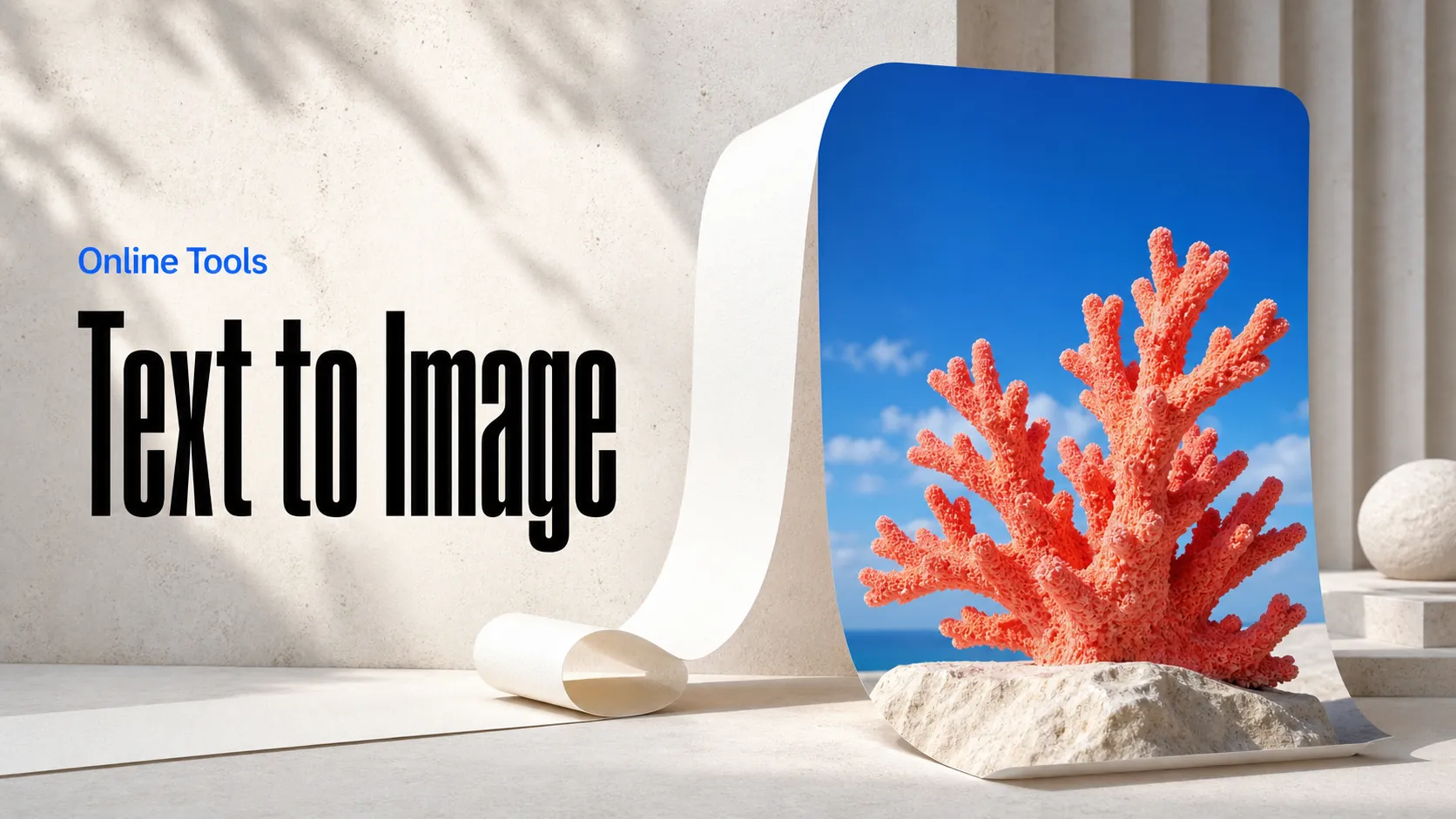
Text to Image
Create AI images from text prompts
Free to create images with the MiniMax H3 Image API on Best Image AI. Guide the scene with text and choose your framing. Stable and affordable for image creation. Up to 4K.
Try the AI Image Generator now
MiniMax H3 Image API turns written descriptions into images through Best Image AI. Describe a scene, select the output resolution and proportions, and generate visuals for campaign concepts, product presentations, or editorial projects. Resolution, aspect ratio, and file format controls help developers fit image generation into their publishing workflows.
Text-to-Image Generation: Guide image creation with a prompt describing the subject, setting, composition, and visual style.
Selectable Resolution: Choose the output resolution to suit the intended placement, from concept previews to larger visual assets.
Flexible Composition Formats: Use square, portrait, landscape, or panoramic proportions for different layouts.
Output Format Control: Select an image format that fits your application's storage, delivery, and publishing requirements.
Prompt-Based Iteration: Explore alternative scenes and art directions by revising the description between requests.
Input: Provide a natural-language description of the image you want to create; no reference image is required.
Output: Each completed task produces a single image.
Resolution: Explicitly select an output resolution when submitting a request.
Aspect Ratios: Choose a supported composition format. When specifying proportions through the API, supply both width and height ratio values rather than pixel dimensions.
Output Format: Choose a supported image format to match your delivery workflow.
Campaign Concepts: Turn a written campaign brief into visual directions for creative review.
Product Scene Exploration: Describe backgrounds, lighting, and arrangements to develop product presentation ideas.
Editorial Illustration: Generate image concepts around an article's subject or theme.
Social Publishing: Create visuals with proportions suited to feed posts, vertical placements, and wide banners.
Creative Tools: Add prompt-driven image creation to applications that let users explore and refine visual ideas.
Note Billing is based on the selected output resolution. Review current pricing when choosing your settings.
MiniMax H3 Image vs. ChatGPT Images 2.5 Flare
Both support text-to-image generation with selectable resolution and aspect ratios. ChatGPT Images 2.5 Flare offers separate quality settings for workflows that need quality tuning at a chosen resolution. MiniMax H3 Image combines resolution and composition controls with output format selection for publishing workflows.
MiniMax H3 Image vs. Nano Banana 2.1
Nano Banana 2.1 offers optional web and image search to guide generation with retrieved information or visual references. MiniMax H3 Image generates from the supplied text prompt with resolution, aspect ratio, and file format controls. Consider Nano Banana 2.1 when search grounding is part of the brief, or MiniMax H3 Image for a self-contained prompt-driven workflow.
MiniMax H3 Image vs. GPT Image 2
GPT Image 2 provides resolution and quality controls for text-to-image generation. MiniMax H3 Image supports a broader selection of output proportions on Best Image AI, including additional tall and wide layouts. Choose according to the composition formats your application needs and whether separate quality settings are part of your workflow.
Explore several AI creation tools for quick image and video workflows in your browser, then scale successful ideas with Best Image AI's production-ready model APIs. Best Image AI provides a unified API layer for all models, making it easy to use and scale your workflows.
Create AI images from text prompts
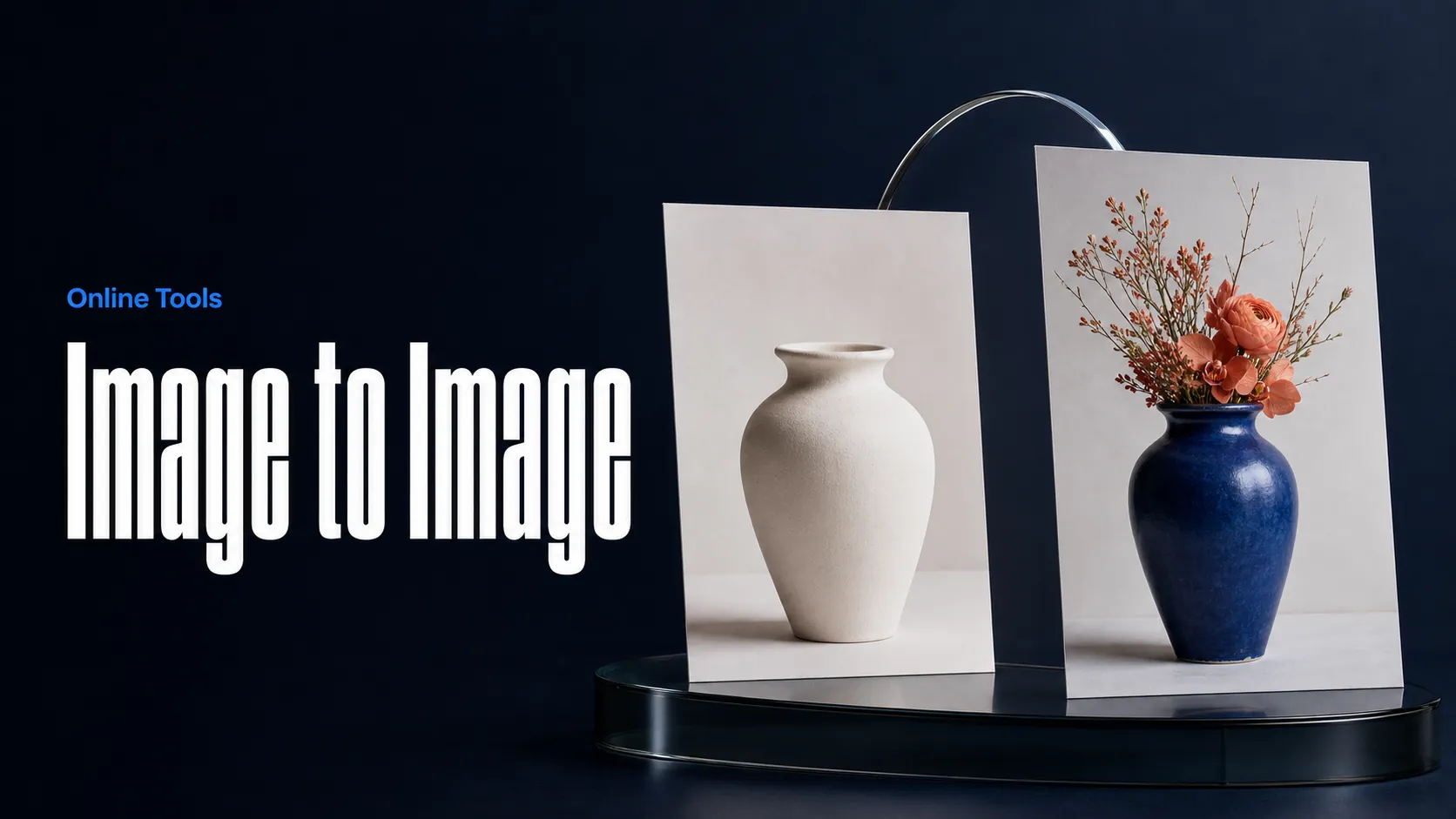
Create AI images from images and text prompts
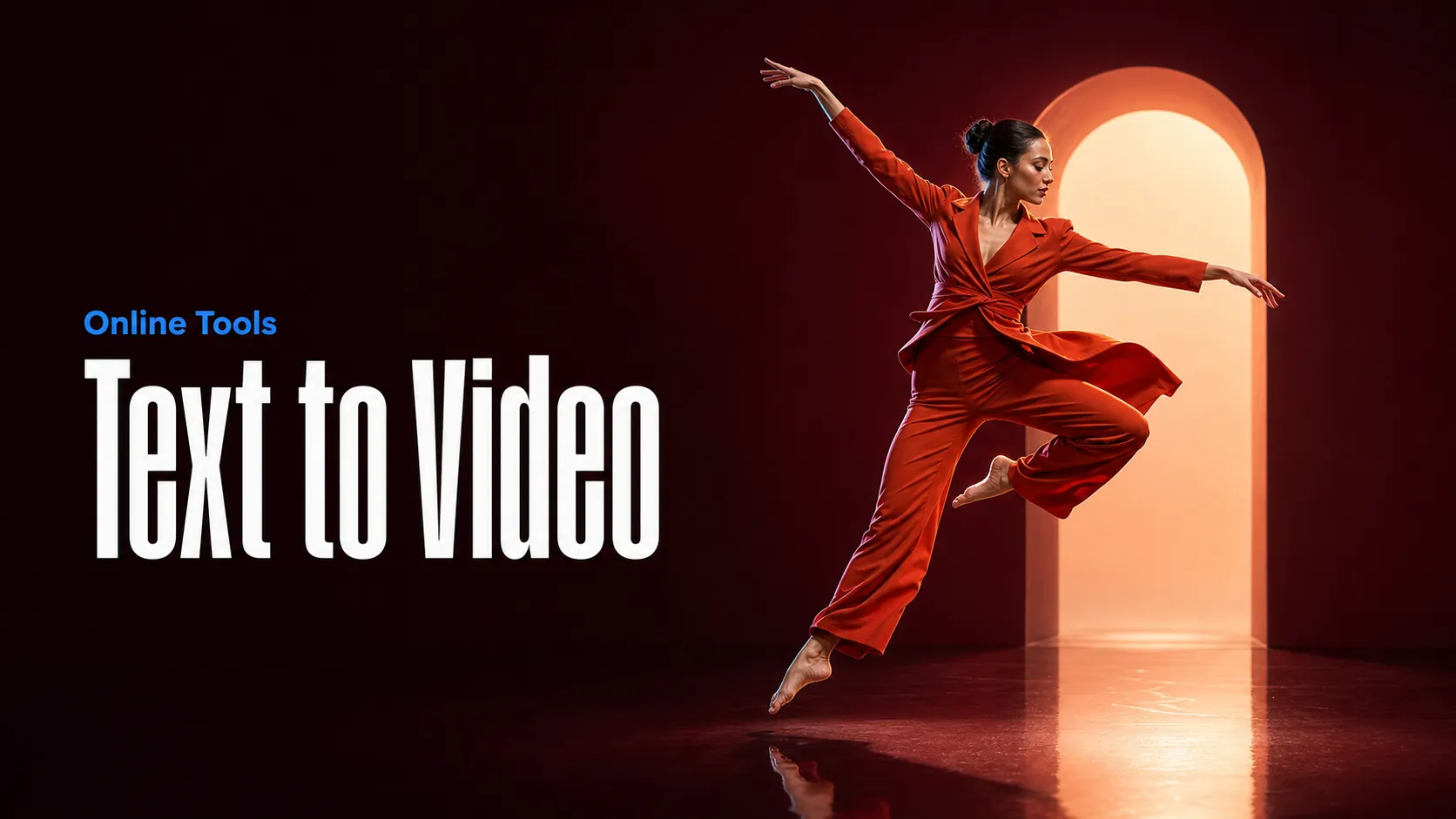
Create AI videos from text prompts
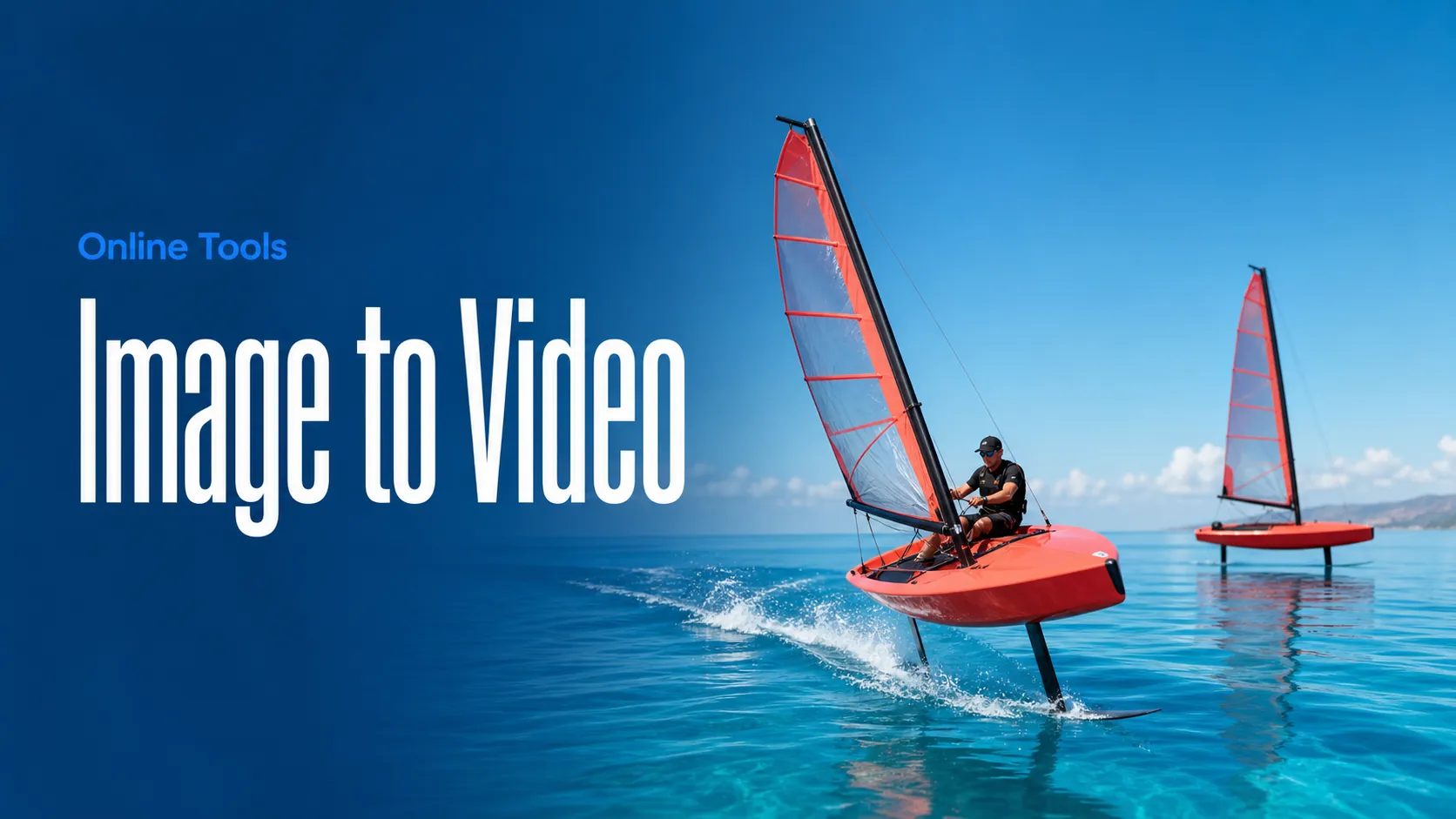
Animate images into AI videos
Create AI images and videos in one unified workspace
Create consistent videos from reference media
Build visual AI image and video workflows on an infinite canvas
const response = await fetch('https://api.flaq.ai/api/v1/image/task', {
  method: 'POST',
  headers: {
    'Content-Type': 'application/json',
    'Authorization': 'Bearer YOUR_API_KEY'
  },
  body: JSON.stringify({
    model_name: 'minimax-h3-image',
    prompt: 'A serene mountain landscape at sunset',
    width: 16,
    height: 9,
    resolution: '2k',
    output_format: 'png'
  })
});

const { data } = await response.json();
const taskId = data.task_id;
// Step 2: Poll for results
const taskId = data.task_id;

const pollResult = async (taskId) => {
  const res = await fetch(`https://api.flaq.ai/api/v1/image/${taskId}`, {
    headers: { 'Authorization': 'Bearer YOUR_API_KEY' }
  });
  return res.json();
};

while (true) {
  const pollResultData = await pollResult(taskId);
  const status = pollResultData.data.task_status;

  if (status === 'succeed') {
    console.log(pollResultData.data.task_result.images[0].url);
    break;
  }

  if (status === 'failed') {
    console.error(pollResultData.data.task_status_msg);
    break;
  }

  await new Promise(resolve => setTimeout(resolve, ));
}
import requests

response = requests.post(
    'https://api.flaq.ai/api/v1/image/task',
    headers={
        'Content-Type': 'application/json',
        'Authorization': 'Bearer YOUR_API_KEY'
    },
    json={
        'model_name': 'minimax-h3-image',
        'prompt': 'A serene mountain landscape at sunset',
        'width': 16,
        'height': 9,
        'resolution': '2k',
        'output_format': 'png'
    }
)

task_id = response.json()['data']['task_id']
curl -X POST https://api.flaq.ai/api/v1/image/task \
  -H "Content-Type: application/json" \
  -H "Authorization: Bearer YOUR_API_KEY" \
  -d '{
    "model_name": "minimax-h3-image",
    "prompt": "A serene mountain landscape at sunset",
    "width": 16,
    "height": 9,
    "resolution": "2k",
    "output_format": "png"
  }'
# Step 2: Poll for results
# Replace {task_id} with the task_id returned from the submit response
curl -X GET "https://api.flaq.ai/api/v1/image/{task_id}" \
  -H "Authorization: Bearer YOUR_API_KEY"
# Step 2: Poll for results
task_id = response.json()['data']['task_id']
poll_url = f"https://api.flaq.ai/api/v1/image/{task_id}"

while True:
    poll_result = requests.get(poll_url, headers={'Authorization': 'Bearer YOUR_API_KEY'}).json()
    status = poll_result['data']['task_status']
    if status == 'succeed':
        print(poll_result['data']['task_result']['images'][0]['url'])
        break
    if status == 'failed':
        print(poll_result['data']['task_status_msg'])
        break
    time.sleep(10)